
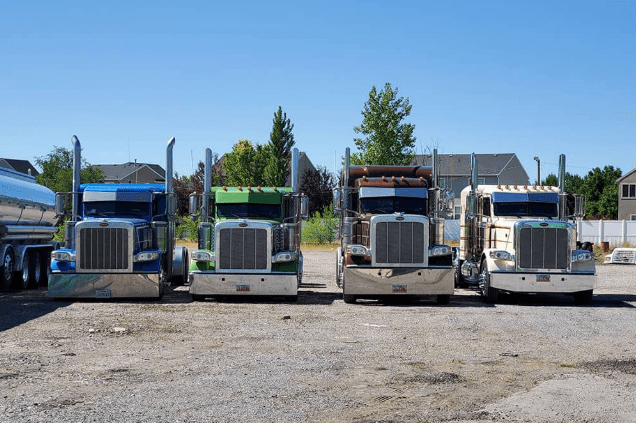
Bulk transport connects every stage of a supply chain, moving materials from farms, production facilities, and storage centers to processing plants and distribution hubs. Delays, mismanaged loads, or inefficient hauling can ripple through supply chain logistics, increasing costs, slowing operations, and straining fleets.
Careful planning and optimization help organizations streamline bulk transport, reduce disruptions, and maintain reliable delivery schedules. Understanding how each step in the transport process affects the next allows teams to identify inefficiencies and implement solutions before they impact operations.
Fleets that focus on efficiency in bulk transport enjoy smoother operations, lower costs, and stronger supply chains. Partner with Tim Savage Trucking LLC to protect cargo and keep deliveries on schedule.
Shaping Supply Chains with Bulk Transport
Bulk transport is more than moving large volumes of material. Every decision, from vehicle selection to route planning, affects operational efficiency and cost management. Supply chain logistics rely on the timely, secure, and consistent movement of goods, and inefficiencies can impact multiple downstream operations.
Key areas where bulk transport influences supply chains include:
- Timing of deliveries, which affects production schedules and inventory levels
- Handling and securement, which influences product integrity and safety
- Route planning, which impacts fuel consumption, vehicle wear, and operational consistency
- Coordination with warehouses and distribution centers to minimize delays
Fleets that address these factors proactively can reduce disruptions and support reliable supply chain performance.
Planning for Operational Efficiency
Efficiency in bulk transport begins with structured planning. Organizations that invest time in scheduling, route analysis, and load optimization see benefits across operational performance and cost management. Planning ahead ensures that resources are used effectively, reducing delays and unnecessary expenses.
Essential steps for operational efficiency include:
- Assessing load sizes and vehicle capacity to minimize trips
- Scheduling deliveries based on traffic patterns and facility operating hours
- Mapping alternate routes to avoid construction, closures, or weather hazards
- Coordinating with logistics teams to align shipment timing with downstream operations
- Monitoring fuel consumption and maintenance schedules to maximize uptime
A well-organized plan helps fleets maintain efficiency, keep costs under control, and strengthen supply chain reliability.
Equipment and Vehicle Readiness
Bulk transport relies on equipment that performs consistently under heavy loads. Poorly maintained vehicles can delay deliveries, increase repair costs, and introduce safety risks. Winter conditions, rough terrain, and extended routes all demand equipment designed for heavy-duty operations.
Steps to ensure vehicle readiness include:
- Inspecting tires, brakes, and suspension systems before every route
- Checking hydraulic systems and lift equipment for secure load handling
- Maintaining engine and transmission performance for long hauls
- Ensuring lighting, mirrors, and safety equipment meet operational needs
- Performing regular preventive maintenance to avoid unexpected downtime
Fleet readiness supports operational efficiency and ensures that bulk transport can keep pace with supply chain demands.
Load Management and Safety
Proper load management directly affects efficiency, safety, and cost control. Distributing weight evenly maintains vehicle balance and stability, while securing cargo with straps, chains, or containment systems keeps materials in place throughout the journey.
Drivers benefit from training on handling different types of bulk materials, and monitoring loads during transit helps detect any shifting or settling early. Reviewing loading and unloading procedures reduces delays at facilities and keeps the fleet operating smoothly. Well-managed loads keep fleets operating smoothly, protect cargo, and enhance overall supply chain efficiency.
Technology and Communication
Modern bulk transport operations benefit from technology that enhances visibility and coordination. Communication tools, GPS tracking, and fleet management software help teams monitor progress, respond to delays, and optimize routes in real time.
Practical uses of technology include:
- GPS and telematics to track vehicle locations and estimated arrival times
- Mobile communication for dispatch updates and driver support
- Inventory management systems to coordinate bulk deliveries with facility needs
- Data collection for analyzing performance and identifying improvement opportunities
- Alerts for maintenance needs, traffic issues, or adverse weather conditions
Using technology effectively helps fleets respond quickly, maintain efficiency, and keep supply chains connected.
Strategic Route Selection
Efficient route selection is critical in controlling costs and maintaining schedules. Avoiding areas prone to congestion or heavy construction helps fleets save time, while choosing paths with minimal steep grades and tight turns ensures safer transport of heavy loads.
Real-time traffic and weather updates allow teams to adjust routes dynamically, and aligning arrival times with facility hours prevents unnecessary waiting. Planning refueling and maintenance stops in advance keeps operations consistent and minimizes disruptions. Effective route selection improves efficiency, reduces costs, and supports consistent supply chain operations.

Reducing Costs Through Optimization
Bulk transport represents a significant portion of operational expenses. Fuel, maintenance, labor, and equipment wear all contribute to overall costs. Focusing on efficiency and planning reduces unnecessary expenditures while maintaining high service levels.
Cost-reduction strategies include:
- Consolidating shipments to minimize trips and fuel use
- Preventive maintenance to avoid expensive repairs
- Optimizing driver schedules to reduce overtime and fatigue
- Evaluating vehicle utilization for the most cost-effective deployment
- Monitoring routes and performance metrics to identify opportunities for improvement
Optimizing bulk transport operations protects resources and enhances the overall efficiency of supply chains.
The Role of Experienced Partners
Working with knowledgeable partners in Southwest bulk hauling services strengthens supply chain logistics and operational efficiency. Experienced teams understand how to manage routes, maintain equipment, and handle large volumes of material safely and efficiently.
Benefits of working with experienced bulk transport partners include:
- Streamlined planning and scheduling for consistent deliveries
- Expertise in vehicle and load management for diverse materials
- Knowledge of regional routes and logistics challenges in the Southwest
- Reduced operational risks and improved safety for drivers and cargo
- Support for continuous improvement in efficiency and cost management
Partnering with a skilled transport team ensures that freight operations run smoothly and support broader supply chain objectives.
Strengthen Your Supply Chain Through Efficient Bulk Transport
Bulk transport is a critical link in supply chain logistics. Every aspect, from vehicle readiness and load management to route planning and communication, affects efficiency, cost, and reliability. Organizations that plan proactively, optimize operations, and partner with experienced teams benefit from smoother deliveries, stronger operational consistency, and lower overall expenses.
Boost your bulk transport efficiency and safeguard every shipment by working with Tim Savage Trucking LLC. Their expertise ensures smooth operations, reliable delivery, and stronger supply chain performance across the Southwest.
