
When Flatbed Shipments Get Complicated
Moving oversized, heavy, or irregular cargo presents real challenges. Flatbed freight often requires specialized equipment, detailed planning, and precise coordination that many standard shipping solutions cannot handle efficiently.
A well-managed flatbed operation reduces uncertainty and keeps projects on schedule. When experienced professionals oversee routing, load securement, and compliance, businesses gain confidence in every mile of transit.
Clear communication, dependable scheduling, and attention to cargo safety create smoother deliveries and fewer costly disruptions. Companies that rely on structured flatbed transport gain a shipping partner who understands both urgency and responsibility.
That level of coordination comes from experience and commitment.We supports commercial clients with dependable flatbed trucks, organized logistics planning, and a proactive approach to safe transport.
Businesses that partner with Tim Savage Trucking receive focused support from pickup through delivery, ensuring that each shipment arrives securely and on time.
Understanding the Complexity Behind Flatbed Freight
Flatbed freight differs from enclosed trailer shipping in several important ways. Cargo rides are exposed to weather conditions and road elements.
Drivers and dispatch teams must carefully secure loads with chains, straps, tarps, and edge protection.
Many flatbed shipments involve construction materials, machinery, structural steel, or prefabricated components. These loads often exceed standard dimensions or weight limits.
Transporting them requires route planning that accounts for bridge clearances, permit requirements, and state regulations. Timing also plays a major role.
Construction sites and manufacturing facilities depend on precise delivery windows. A missed arrival can stall crews, delay installations, or disrupt production schedules.
Each of these factors increases the importance of preparation and execution. Businesses need more than a truck. Businesses need reliable coordination.
Load Securement Demands Precision
Improper load securement poses a risk to cargo, drivers, and surrounding traffic. Flatbed trucks require careful attention to tie-down points, weight distribution, and balance.
Professional flatbed operators evaluate each shipment before departure. They consider the shape and weight of the cargo. They determine the appropriate number of tie downs. They inspect anchor points and verify tension before leaving the yard.
Ongoing checks during transit maintain stability throughout the journey. Drivers stop to reinspect and adjust as needed. That diligence protects cargo and demonstrates accountability.
Reliable flatbed freight depends on disciplined securement practices.
Weather Exposure Adds Another Layer of Planning
Unlike enclosed trailers, flatbed trucks leave cargo open to the elements. Rain, wind, and debris can affect materials during transit.
Proper tarping and protective covering prevent damage and maintain product integrity. Experienced teams understand which materials require full enclosure and which can travel uncovered.
They apply tarps securely to prevent movement or tearing during highway travel.
Weather awareness also influences route planning.
Dispatch teams monitor conditions and adjust schedules when necessary. Preparation reduces surprises and protects shipments from avoidable delays.
Permits and Compliance Require Expertise
Oversized flatbed freight often requires special permits. Regulations vary by state and sometimes by county. Height, width, length, and weight all influence permit requirements.
Experienced logistics teams manage these details before departure. They obtain necessary documentation and confirm approved travel routes. They coordinate timing restrictions that apply to oversized loads in certain regions.
Compliance prevents costly fines and unplanned stops. Professional oversight ensures that each shipment meets legal standards across jurisdictions.
Coordinating Pickup and Delivery Windows
Construction crews, fabricators, and industrial facilities rely on accurate delivery timing. When flatbed trucks arrive too early or too late, productivity suffers.
Clear scheduling and proactive communication help prevent those disruptions. Dispatch teams confirm site readiness before departure. Drivers maintain contact during transit to provide accurate arrival updates.
Dependable flatbed freight requires more than transportation. It requires alignment with project timelines.
Equipment Availability and Capacity Planning
Flatbed transport depends on having the right equipment at the right time. Different shipments require different trailer types, including standard flatbeds, step decks, or double drops.
Strategic fleet management ensures that appropriate flatbed trucks remain available for scheduled loads. Coordinated planning helps businesses avoid last-minute equipment shortages.
Reliable capacity gives clients confidence that shipments will move as planned.
Clear Communication Builds Strong Partnerships
Flatbed freight involves multiple stakeholders. Shippers, project managers, warehouse teams, and receiving crews all depend on accurate information.
Consistent updates keep everyone aligned. Dispatch teams provide tracking information and respond quickly to questions. Drivers promptly communicate delays or route adjustments.
Transparency builds trust. Businesses that work with communicative carriers gain peace of mind throughout the shipping process.
Safety Remains the Top Priority
Safe transport protects cargo, equipment, and people. Professional flatbed operators prioritize training and adherence to safety standards.
Regular equipment inspections ensure that flatbed trucks remain road-ready. Drivers follow established protocols for securement and highway operation. Ongoing training reinforces best practices.
A safety-focused culture reduces risk and strengthens long-term reliability.
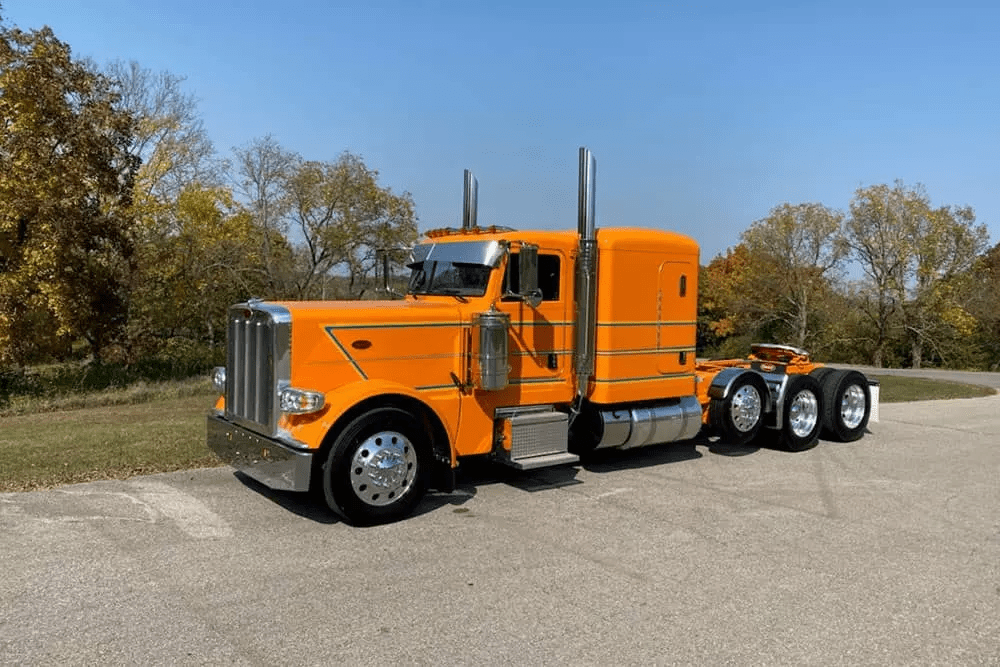
How Tim Savage Delivers Consistency in Flatbed Freight
We approach each shipment with structured planning and hands-on oversight. The team evaluates cargo specifications, determines appropriate equipment, and coordinates permits before dispatch.
Experienced drivers handle securement with precision. Dispatch teams monitor routes and maintain communication throughout transit. Each step reflects attention to detail and commitment to dependable service.
This organized approach supports efficient movement from origin to destination.
Supporting Construction and Industrial Clients
Construction companies often depend on a steady flow of materials. Steel beams, lumber, piping, and equipment must arrive according to schedule.
We understand the pace of construction projects. The team aligns pickup and delivery timing with site needs. Clear communication prevents surprises that could stall crews.
Industrial clients benefit from the same structured coordination. Manufacturing facilities receive equipment and components in accordance with production timelines.
Flatbed freight becomes an integrated part of project execution rather than a source of uncertainty.
Reducing Delays Through Proactive Planning
Unexpected challenges can arise during any shipment. Road closures, traffic congestion, or weather events may require adjustments.
Proactive planning reduces the impact of these variables. Dispatch teams evaluate alternate routes and communicate updates quickly.
Drivers respond to changing conditions while maintaining safety and compliance. Preparedness helps businesses avoid unnecessary downtime.
Building Long-Term Relationships With B2B Clients
Flatbed shipping often involves recurring needs rather than a one-time transaction. Businesses benefit from a carrier that understands their cargo, timelines, and operational priorities.
We build relationships through consistent performance and dependable communication. Returning clients know what to expect from each shipment.
That familiarity streamlines scheduling and reduces administrative effort. Reliable partnerships support smoother logistics over time.
Investing in Professional Equipment and Skilled Drivers
Modern flatbed trucks require proper maintenance and oversight. Well-maintained equipment reduces breakdown risk and supports consistent delivery schedules.
Skilled drivers bring experience to every load. They understand weight distribution, route planning, and safe handling of specialized cargo. Professionalism on the road reflects the standards of the entire operation.
Businesses that choose experienced carriers protect their shipments and their reputations.
Choosing a Partner for Reliable Transit
Flatbed freight presents unique challenges that demand preparation, expertise, and consistent communication.
Oversized loads, open air exposure, securement requirements, and regulatory compliance all require careful coordination.
We deliver organized logistics planning, dependable flatbed trucks, and a commitment to safe, timely transport. Businesses that rely on structured shipping solutions gain confidence in every shipment.
When complex cargo needs careful handling, partnering with an experienced flatbed carrier makes the difference.
Work with us to move materials efficiently, protect valuable shipments, and keep projects advancing without unnecessary disruption.
