

Chemical hauling involves materials that can cause serious harm when teams handle them without the right precautions. Loading errors, equipment failures, and lapses in awareness during transit or unloading can place drivers, crews, job sites, and surrounding areas at risk.
In fact, even small mistakes during chemical transport can lead to injuries, environmental exposure, or damage to the product itself. Transportation companies in Utah rely on structured safety practices to reduce these risks and keep operations moving smoothly.
Tim Savage Trucking LLC approaches chemical hauling with disciplined procedures, trained drivers, and a strong focus on communication and equipment awareness. These practices support safer handling, protect people and cargo, and help ensure chemicals move through the supply chain in a controlled and responsible manner. Contact us for dependable chemical hauling support you can trust.
Understanding the Risks Involved in Chemical Hauling
Chemical hauling involves substances that may react to movement, temperature changes, or pressure. Some chemicals pose risks through flammability, corrosion, or toxicity if teams handle them improperly. A petroleum tank truck, for example, carries liquid materials that shift during transit and require steady driving and secure containment.
Drivers and crews benefit from understanding how each chemical behaves under different conditions. Knowledge of material properties helps teams recognize potential hazards early and respond appropriately. Awareness forms the foundation of safer chemical transport.
Protecting Drivers and Job Site Crews
Drivers operate heavy equipment for long hours, often under tight schedules. Chemical hauling adds complexity that requires focus and discipline. Safe handling procedures reduce exposure to hazardous materials and support controlled vehicle operation on the road.
Job site crews also depend on strong safety practices. Clear communication during loading and unloading helps workers avoid contact with hoses, valves, and connection points. Defined work zones and proper protective equipment support safer conditions for everyone involved.
Specialized Equipment Supports Safer Chemical Transport
Chemical hauling relies on equipment designed for specific materials. Petroleum tank truck systems include reinforced tanks, pressure control features, and secure fittings that help contain liquid cargo during transit. Drivers and technicians inspect these components regularly to confirm proper operation.
Routine maintenance helps identify leaks, corrosion, or wear before they create hazards. Clean tanks and secure seals protect the chemical product while supporting safe handling practices. Well-maintained equipment plays a key role in responsible chemical hauling.
Loading Procedures That Reduce Exposure and Risk
Safe chemical hauling begins at the loading facility. Drivers verify material compatibility and confirm that all connections remain secure before loading begins. Controlled loading speeds help prevent overfilling and manage internal pressure.
Drivers monitor gauges and closely observe conditions throughout the process. Clear communication between drivers and facility personnel helps identify issues early. Careful loading protects people, equipment, and the chemical product before transport begins.
Pre-Trip Inspections Support Road Safety
Drivers perform detailed inspections before every trip. These inspections include checking tank integrity, valves, hoses, and pressure relief systems. Drivers also inspect tires, brakes, lights, and suspension components to ensure safe operation.
Accurate documentation and proper placarding support awareness for emergency responders and job site personnel. These inspection steps help drivers address potential concerns before leaving the facility.
Driving Practices That Promote Stability
Safe driving habits play a major role in chemical hauling. Drivers adjust speed based on load weight, traffic, weather, and road conditions. Smooth acceleration and gradual braking help control the flow of liquid within the tank.
Defensive driving techniques increase reaction time and reduce sudden maneuvers. Increased following distance and steady lane changes help maintain vehicle balance. These practices support safer travel for drivers and others on the road.
Route Planning and Environmental Awareness
Route planning supports chemical hauling safety by reducing exposure to challenging terrain and congested areas. Dispatch teams and drivers select routes that limit sharp turns, steep grades, and frequent stops when possible.
Drivers remain alert to environmental conditions, including temperature shifts, wind, and precipitation. Adjusting driving behavior to match conditions helps maintain control and supports safer transport throughout the trip.
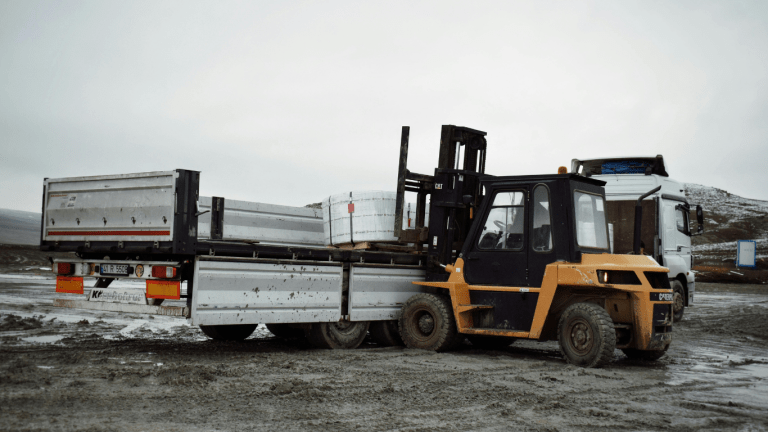
Unloading Procedures That Protect People and Product
Unloading requires the same level of attention as loading. Drivers select stable unloading locations and confirm compatibility with receiving equipment. Securing the vehicle and confirming clear communication helps prevent accidents during discharge.
Controlled unloading speeds reduce pressure changes and support steady material flow. Drivers monitor hoses, valves, and gauges throughout the process. Clear coordination between drivers and site personnel helps maintain safe conditions during unloading.
Training Builds Confidence and Awareness
Training prepares drivers to handle chemical hauling responsibilities effectively. Instruction covers equipment operation, hazard recognition, emergency response, and regulatory requirements. Hands-on experience helps drivers recognize warning signs and respond calmly.
Ongoing training reinforces established protocols and keeps teams informed about updates. Many hazmat trucking companies emphasize continuous learning to maintain consistent safety standards across operations.
Emergency Preparedness Supports Safer Outcomes
Drivers prepare for unexpected situations through emergency response training and planning. Emergency kits, clear procedures, and proper documentation support effective action in the event of a spill or equipment issue.
Preparedness helps limit harm to people, property, and the environment. Clear communication during emergencies supports coordinated response efforts and helps drivers manage challenges safely.
Regulatory Awareness in Chemical Transport
Chemical hauling operates under strict regulations designed to protect public safety. Drivers and companies follow rules related to equipment standards, training, documentation, and handling procedures.
Transportation companies in Utah that engage in chemical hauling rely on regulatory awareness to guide daily operations. Compliance supports accountability and consistency throughout the transport process.
Protecting the Chemical Product During Transport
Safety practices protect people and preserve the quality of the chemical product. Proper temperature management, contamination prevention, and secure containment help ensure materials arrive in usable condition.
Product damage or loss disrupts operations and affects clients. Careful chemical-hauling practices ensure reliable delivery while maintaining product integrity from pickup to destination.
Communication Strengthens Chemical Hauling Operations
Clear communication supports safety across every phase of chemical transport. Drivers coordinate with shippers and receivers to understand site requirements, access points, and unloading procedures.
Open communication encourages shared responsibility. When trucking providers and clients work together, teams reduce misunderstandings and create safer work environments.
Technology Supports Safer Chemical Hauling
Technology enhances chemical hauling safety through monitoring and tracking systems. Sensors provide insight into pressure, temperature, and vehicle performance during transit. Communication tools help drivers stay connected with dispatch and emergency resources.
Digital documentation improves accuracy and organization. Technology supports informed decision-making without replacing training or experience.
A Safety Focused Approach to Chemical Transport
Safety defines professionalism in chemical hauling. Clients value hazmat trucking companies that approach transport with discipline and care. Safety-focused operations contribute to safer roads, job sites, and supply chains.
Tim Savage Trucking LLC integrates established safety protocols into chemical hauling services. Preparation, communication, and equipment awareness guide each transport and support responsible handling practices.
Strong Conclusion on Chemical Hauling Safety
Safety matters in chemical hauling because careful handling protects drivers, crews, clients, and the chemical product itself. Disciplined loading, thorough inspections, controlled driving, and structured unloading reduce the risks of injuries, spills, or damage.
Chemical hauling requires coordination, training, and awareness at every stage. Transportation companies in Utah that prioritize responsible practices help support safer operations and stronger partnerships. Tim Savage Trucking LLC plays an important role in chemical hauling by focusing on preparation and safety-driven processes that benefit everyone involved.
Call us today to learn more about their chemical hauling services and safety-focused transport solutions.
