
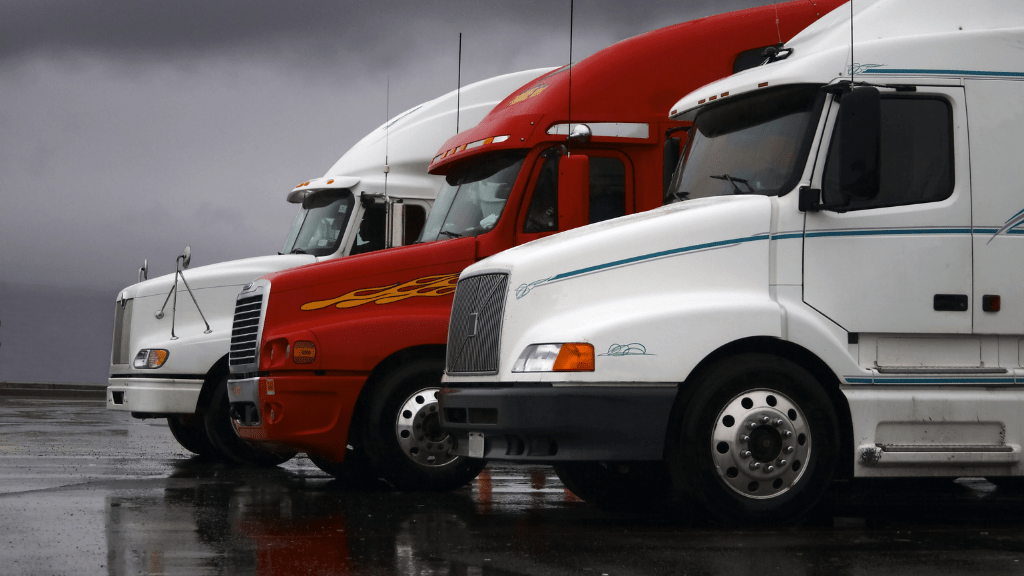
Improper handling during transport can affect fertilizer quality, safety, and farm schedules. Liquid fertilizer plays a critical role in modern agriculture, which makes careful transport practices essential from start to finish.
Well-managed liquid fertilizer transport helps preserve nutrient consistency while supporting safer conditions for drivers, equipment, and job sites. Strong handling practices also help agricultural operations stay aligned with planting and application timelines.
Experienced drivers, purpose-built equipment, and disciplined loading, hauling, and unloading procedures form the foundation of effective liquid fertilizer transport across agricultural supply chains.
Reach out to Tim Savage Trucking LLC today to discuss your liquid fertilizer transportation needs.
Safe Transport Protects Product Integrity, Compliance, and End Results
Liquid fertilizer differs from many other agricultural products because the material responds to movement, temperature, and handling methods. Shifting liquid inside a tanker can affect vehicle stability, while exposure to contaminants can reduce fertilizer effectiveness. Transport teams must account for these factors to avoid damaging the product before it reaches the field.
A thoughtful approach to transport supports consistency. When drivers and crews understand how liquid fertilizer behaves in transit, they can make informed decisions that protect both the cargo and the people involved in the haul.
Understanding the Composition of Liquid Fertilizer
Liquid fertilizer contains dissolved nutrients designed to deliver precise benefits to crops. Some formulations settle or separate when handled improperly, while others react to temperature extremes. Knowledge of these characteristics helps transport teams manage product movement and storage conditions more effectively.
Drivers who understand viscosity, density, and temperature sensitivity can monitor conditions during transport and adjust driving habits as needed. That awareness helps maintain fertilizer quality from pickup to delivery.
Equipment Designed for Liquid Fertilizer Transport
Transporting liquid fertilizer requires tanker equipment built for bulk liquid hauling. These tanks include sealed compartments, secure valves, and pressure control systems that help prevent leaks and contamination. Clean tanks remain essential since residue from previous loads can alter fertilizer composition.
Routine inspections and cleaning are key to equipment readiness. Drivers and maintenance teams check hoses, fittings, seals, and tank interiors before loading. Proper equipment supports reliable bulk liquid transport services across agricultural regions.
Loading Practices That Protect Fertilizer Quality
Loading sets the tone for the entire transport process. Operators confirm tank compatibility with the fertilizer product and verify that all connections remain secure. Controlled loading speeds help prevent foaming, air intrusion, or overfilling.
Clear communication between drivers and facility staff supports safe and efficient loading. Drivers monitor gauges and flow conditions throughout the process. Attention during loading helps preserve fertilizer consistency and reduces issues later in the haul.
Route Planning for Liquid Fertilizer Hauling
Route planning supports safer liquid fertilizer transport by reducing unnecessary stress on the load and vehicle. Smooth roads, manageable grades, and fewer sharp turns help limit liquid surge inside the tank. Dispatch teams and drivers coordinate routes that support stability and efficiency.
Weather conditions also influence route decisions. Temperature swings can affect fertilizer properties, while rain or snow can impact road safety. Proactive planning helps drivers adapt to conditions while maintaining control throughout the trip.
Driving Habits That Support Bulk Liquid Transport
Driving behavior directly affects the stability of liquid fertilizer. Smooth acceleration, steady speeds, and gradual braking reduce internal movement and help maintain vehicle balance. Defensive driving allows drivers to anticipate traffic patterns and avoid sudden maneuvers.
Maintaining safe following distances and staying alert to road hazards protects the product and surrounding traffic. Consistent driving habits support safe transport over long distances and varying terrain.
Unloading Liquid Fertilizer With Precision
Unloading requires the same level of care as loading. Drivers select stable unloading locations and confirm compatibility with receiving equipment. Secure connections and clear communication help prevent spills and pressure issues during discharge.
Controlled unloading speeds support even flow and reduce stress on hoses and valves. Drivers monitor gauges and connections throughout the process. Careful unloading protects fertilizer quality and supports safe job site conditions.
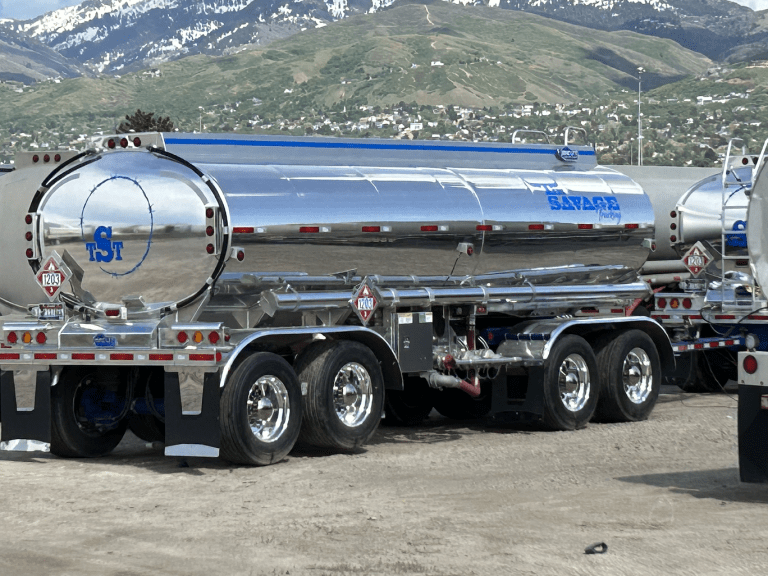
Maintaining Efficiency Across Every Industry
Downtime caused by fuel delays affects more than just one team. Manufacturing lines can stall, irrigation schedules can be disrupted, and energy sites can lose productivity. Timely petroleum transport keeps your operations running smoothly, no matter the size of the project or complexity of the delivery.
We coordinate deliveries around your schedule, using real-time tracking and route optimization to avoid delays. Our team communicates proactively to adjust for traffic, weather, or other factors that could affect delivery. Businesses benefit from predictable fuel deliveries, allowing teams to focus on production, construction, or agricultural tasks without worrying about logistics.
For agricultural operators during harvest season in Utah, reliable diesel delivery ensures that irrigation pumps and harvesting equipment stay running at peak efficiency. In Phoenix, construction teams rely on our fuel transport to keep heavy machinery moving and projects on schedule.
Protecting Your Investment and Your Team
Petroleum transport requires careful planning and specialized knowledge. Mishandling fuel can result in spills, fires, environmental damage, or wasted product. At Tim Savage Trucking, we take these challenges seriously.
Every tanker is regularly inspected to meet safety and regulatory standards. Drivers follow strict protocols to load, secure, and monitor petroleum shipments. Our team understands weight distribution, tank pressure, and emergency response procedures, ensuring each delivery arrives intact and on schedule.
A manufacturing facility in Salt Lake City depends on uninterrupted fuel supply to keep assembly lines running. Any delay or mishandling can stop production and cost thousands in lost revenue. Our attention to detail protects your investment, allowing you to focus on running your business efficiently.
Navigating Regulations Without the Stress
Petroleum transport is heavily regulated, requiring compliance with federal, state, and local laws. Failing to meet these requirements can result in fines, shipment delays, or operational shutdowns.
At Tim Savage Trucking, our team handles all the regulatory complexities for you. We maintain up-to-date knowledge of fuel transport regulations, secure necessary permits, and ensure documentation, labeling, and routing meet legal standards. This allows your business to operate without interruptions or added administrative stress.
By taking the compliance burden off your plate, we provide peace of mind while keeping fuel deliveries safe, legal, and on time.
Preventing Contamination and Product Loss
Contamination poses one of the greatest risks in the transport of liquid fertilizer. Residue from previous loads, water intrusion, or improper sealing can alter nutrient balance. Transport teams address these risks through thorough cleaning and inspection practices.
Drivers follow established procedures to keep tanks dry and free of foreign materials. Proper sealing and regular monitoring help prevent leaks and product loss. These steps protect both the fertilizer and the agricultural operation that depends on it.
Training That Supports Safer Liquid Fertilizer Transport
Training equips drivers with the skills and knowledge needed to handle liquid fertilizer responsibly. Instruction covers equipment operation, product behavior, emergency response, and regulatory awareness. Hands-on experience helps drivers recognize warning signs and respond effectively.
Ongoing training reinforces best practices and keeps teams informed about new products or equipment updates. Well-trained drivers support consistent handling and safer operations across all routes.
Technology That Supports Bulk Liquid Transport Services
Technology plays an important role in modern liquid fertilizer transport. Monitoring systems track tank pressure and temperature, while GPS tools provide visibility of location throughout the haul. These systems help drivers and dispatch teams stay informed in real time.
Digital documentation supports organization and accountability. Technology complements driver experience by providing data that supports informed decisions without replacing hands-on judgment.
Supporting Agriculture Across the Western States
Liquid fertilizer transport supports farms and agricultural suppliers across wide geographic areas. Western states such as Wyoming, California, and New Mexico connect producers with the nutrients needed to support crop growth and yield.
Transport providers coordinate closely with agricultural clients to align delivery timing with planting and application schedules. Clear communication supports smoother operations and helps farmers plan more effectively.
Practical Tips for Improving Liquid Fertilizer Hauling
Transport teams can improve liquid fertilizer hauling by focusing on preparation and consistency. Regular equipment inspections help identify potential issues early. Clear communication between drivers, dispatch, and clients reduces misunderstandings.
Drivers who remain attentive to driving habits, weather changes, and unloading procedures support better outcomes. Small adjustments in handling and planning often make a meaningful difference in product quality and operational efficiency.
A Safety Focused Approach to Liquid Fertilizer Transport
Liquid fertilizer hauling combines technical knowledge, disciplined procedures, and experienced drivers. Companies involved in savage transport recognize that careful handling protects people, equipment, and the agricultural products that sustain communities.
A safety-focused approach supports long-term relationships with farmers and suppliers. Responsible transport practices help maintain trust across the supply chain while preserving fertilizer integrity.
Strong Conclusion on Transporting Liquid Fertilizer
Transporting liquid fertilizer requires preparation, coordination, and attention at every stage. From loading and route planning to driving and unloading, each step influences product quality and safety. Bulk liquid transport services that emphasize careful handling support agricultural operations across the regions.
Liquid fertilizer remains a prominent part of modern agriculture, and effective transport protects the value of that product. By focusing on proper equipment, trained drivers, clear communication, and thoughtful planning, transport teams move fertilizer without damaging its composition. Tim Savage Trucking LLC supports liquid fertilizer transport through disciplined processes and experienced handling, benefiting farmers, suppliers, and agricultural operations throughout the region.
Call our team to get more information about our bulk liquid transport services.
