
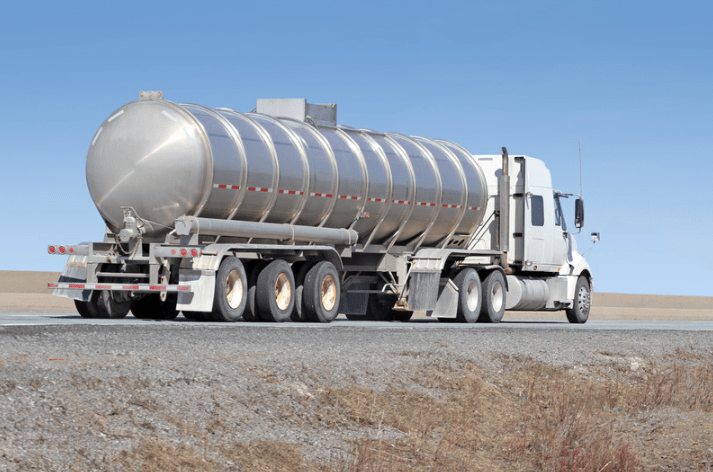
Maintaining clean equipment in liquid transport is critical for the safety, reliability, and efficiency of every haul. Residue buildup or overlooked sanitation can compromise product quality, slow operations, and pose risks to drivers and anyone handling the cargo downstream.
Proper tanker hygiene goes beyond routine cleaning as it ensures each load arrives uncontaminated, supports safe handling, and maintains the integrity of the transport process. Regular attention to equipment cleanliness not only protects current shipments but also preserves fleet longevity and operational consistency for the long term.
Fleets that prioritize regular cleaning face fewer disruptions and lower contamination risks. Call today to protect every shipment and boost performance by partnering with experts in tanker hygiene for bulk liquid hauling.
Equipment Cleanliness Always Matters
Equipment cleanliness influences every step of liquid transport. Contaminated tanks, hoses, or valves can alter the composition of cargo, reduce product quality, and create hazards for personnel and equipment. Even small residues from previous loads can affect sensitive chemicals, liquid fertilizers, or food-grade liquids.
Maintaining clean equipment protects cargo integrity, reduces operational interruptions, and safeguards both personnel and downstream processes. Consistent attention to sanitation also extends equipment lifespan, reduces maintenance costs, and keeps liquid transport operations running smoothly.
The Risks of Neglecting Sanitation
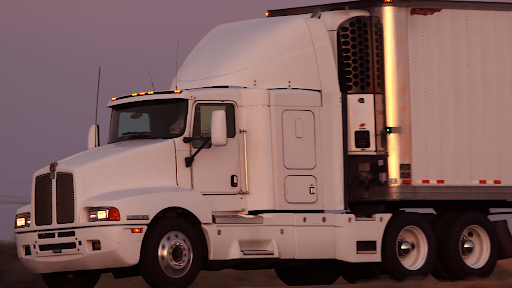
Failing to maintain proper hygiene during liquid hauling can have serious consequences. Contaminated equipment can compromise liquid cargo, damage pumps and seals due to chemical buildup, and pose hazards to drivers and facility workers.
Operational delays often result when equipment requires unplanned cleaning or repair. Over time, neglected maintenance can lower fleet efficiency and increase transportation costs, creating ripple effects throughout the supply chain.
Organizations that address sanitation proactively minimize these risks, maintain consistent schedules, and protect both personnel and cargo. Understanding the stakes of unclean equipment helps fleets make smarter decisions about cleaning procedures and workflow management.
Maintaining Tanker Hygiene for Reliable Operations
Maintaining tanker hygiene for bulk liquid hauling requires careful attention at every step. Thorough washes between loads with the right cleaning agents remove residue that could contaminate future shipments. Inspecting tanks, hoses, and valves helps identify corrosion or wear before it becomes a problem.
Using dedicated equipment for different types of liquids prevents cross-contamination, and following manufacturer guidelines ensures that pressure washing and sanitizing are performed safely. Documenting cleaning schedules allows fleets to track compliance and maintain high standards across all vehicles.
Practical steps for maintaining hygiene include:
- Performing a complete wash and rinse between each load using approved cleaning solutions
- Inspecting and maintaining all hoses, valves, and seals to prevent buildup
- Recording, cleaning, and inspection activities to ensure accountability
These steps help fleets stay consistent and maintain operational reliability across every haul.
Training and Accountability
Personnel play a critical role in maintaining sanitation standards. Training drivers and maintenance staff on proper cleaning procedures, safe handling of chemicals, and monitoring for residue ensures cleaning is done effectively and consistently.
Accountability measures such as checklists, audits, and feedback loops reinforce standards and prevent oversights from disrupting operations. Integrating training and accountability into daily routines ensures hygiene practices become a regular part of fleet operations, improving safety and reliability on every haul.
Workflow Integration and Route Planning
Sanitation works best when it is integrated into broader transport workflows. Allocating time for equipment cleaning within route schedules prevents delays and ensures every load meets quality standards.
Coordinating with facility personnel ensures cleaning and loading operations align seamlessly, and prioritizing high-risk or sensitive cargo prevents contamination. Monitoring turnaround times keeps fleets on schedule, helping operations remain consistent and efficient even under heavy workloads.
Leveraging Technology for Better Hygiene
Modern liquid transport operations benefit from tools that make maintaining tanker hygiene easier and more reliable. Automated cleaning systems, inspection cameras, and monitoring sensors allow fleets to detect residue, ensure complete washes, and verify equipment readiness.
Technological supports include:
- Automated wash systems that deliver consistent, high-pressure cleaning
- Sensors to detect residual liquid or contamination in tanks
- Cameras for inspecting interior tank surfaces and hoses
- Digital logs for tracking cleaning schedules and maintenance history
- Integration with fleet management software to align cleaning with route planning
Using technology enhances sanitation, improves efficiency, and reinforces accountability across liquid transport operations.
Operational Benefits of Clean Equipment
Maintaining equipment cleanliness delivers clear operational advantages. Fleets that consistently prioritize sanitation experience fewer delays, reduce contamination risks, and maintain higher levels of customer trust.
Operational benefits include:
- Reduced downtime due to fewer unplanned cleaning or maintenance tasks
- Improved product integrity, reducing rejections or quality issues
- Enhanced safety for drivers and personnel
- Greater consistency in delivery schedules and fleet performance
- Longer lifespan for equipment through reduced wear and chemical damage
Clean equipment directly supports both operational efficiency and overall supply chain reliability.
Ensuring Safe and Efficient Liquid Transport Through Clean Equipment
Maintaining clean equipment in liquid transport is essential for safe, efficient, and reliable operations. Thorough cleaning, proper training, integrated workflows, and the use of technology help fleets prevent contamination, minimize downtime, and protect both cargo and personnel. Teams that prioritize sanitation strengthen fleet performance, reduce operational risk, and maintain trust in every delivery.
Ensure your fleet stays safe, efficient, and reliable by working with Tim Savage Trucking LLC. Their expertise in liquid transport and sanitation in liquid hauling helps protect cargo, personnel, and operational performance across the Southwest.
