Staying Ahead of Spring Shipping Demand
Spring brings a surge of freight activity across construction, manufacturing, and industrial sectors. Many businesses compete for limited equipment, and that spike in demand can delay shipments when scheduling lacks flexibility.
A proactive approach to flatbed scheduling helps businesses avoid those slowdowns. When carriers offer adaptable pickup windows, responsive dispatch communication, and scalable capacity, shipments move according to project timelines instead of carrier availability.
Flexible coordination supports steady production schedules and reduces downtime on job sites. Businesses gain confidence when they know their freight partner can adjust to shifting priorities without sacrificing reliability.
Planning early with an experienced carrier creates that flexibility. We work closely with commercial clients to align flatbed truck options with seasonal demand.
Through organized routing, strategic capacity management, and consistent communication. Tims Savage Trucking supports dependable transit even during peak spring activity.
Plan your spring flatbed scheduling early to secure capacity with Tims Savage Trucking.
Why Spring Creates Scheduling Pressure
Warmer weather triggers project launches across multiple industries. Construction sites ramp up material deliveries. Manufacturers increase production. Agricultural operations begin seasonal shipments. Infrastructure projects move into active phases.
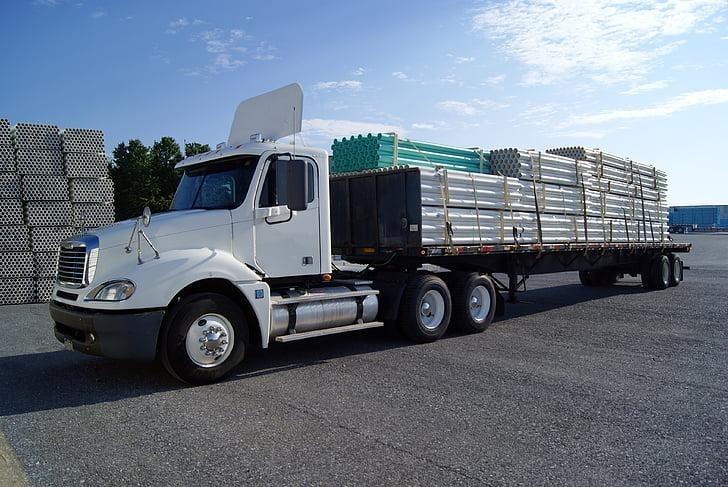
Each of these industries often depends on flatbed freight for oversized or heavy materials. Lumber, steel beams, equipment, piping, and prefabricated components require open trailer transport.
As more projects move forward simultaneously, demand for flatbed trucks rises quickly.
Without flexible flatbed scheduling, businesses risk limited availability, higher costs, or extended lead times. Waiting until the last minute reduces options and increases pressure on both shippers and receivers.
Planning provides breathing room. Businesses that secure scheduling early protect their timelines and maintain greater control over project execution.
How Flexible Scheduling Protects Project Timelines
Rigid shipping schedules rarely match the realities of large-scale projects. Construction sites adjust delivery dates based on weather or crew progress.
Manufacturers change production runs in response to order volume. Industrial facilities may shift priorities due to supply chain variables.
Flexible flatbed scheduling allows carriers to respond to these changes without disrupting service. When dispatch teams maintain open communication and flexible pickup windows, shipments remain aligned with real-world conditions.
This adaptability prevents trucks from arriving before a site is ready or after crews have moved to the next phase. Coordinated scheduling keeps materials flowing at the right time, which supports efficiency across the entire project.
Businesses benefit from a freight partner that understands shifting demands rather than enforcing rigid time frames.
Exploring flatbed truck options for Spring Freight
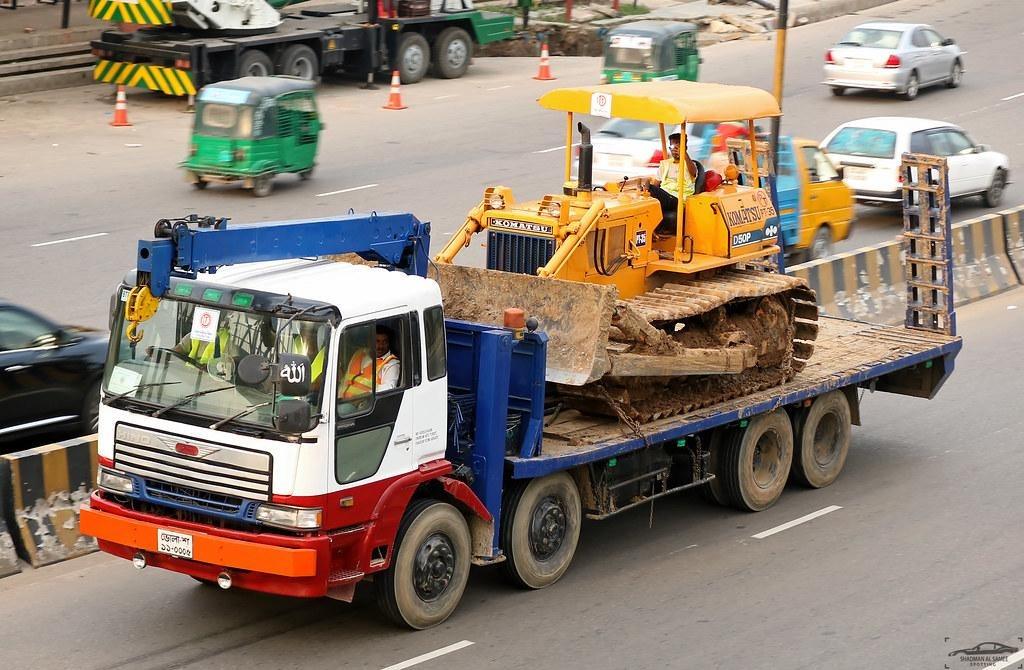
Not every shipment requires the same equipment. Spring projects vary in size, weight, and dimensional requirements. Selecting the correct flatbed truck options plays a major role in scheduling flexibility.
Standard flatbeds work well for general construction materials and machinery. Step deck trailers support taller cargo that requires additional clearance.
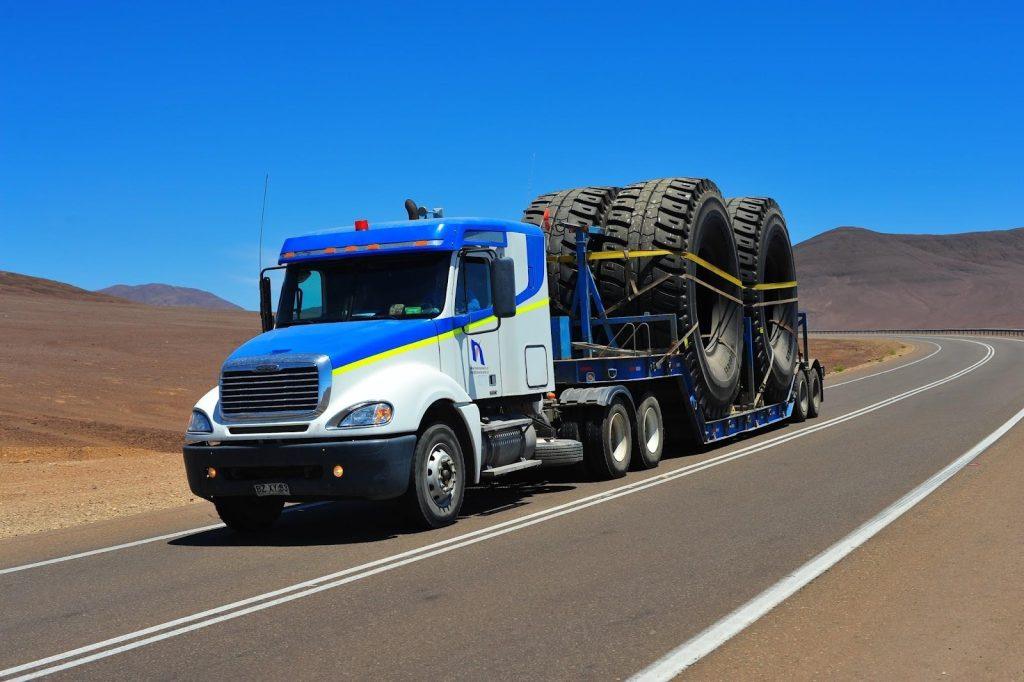
Double drop trailers accommodate heavier or oversized loads that exceed standard dimensions.
When carriers offer multiple flatbed truck options within their fleet, businesses gain the ability to match equipment precisely to cargo needs.
This versatility reduces the need for last-minute adjustments and prevents delays caused by mismatched equipment.
Access to diverse trailer types also allows dispatch teams to reroute equipment efficiently when schedules shift. That capacity supports stronger coordination during high-demand periods.
Flexible flatbed scheduling options for spring shipments
Capacity management becomes critical during spring demand spikes. Carriers must balance ongoing commitments with new requests while maintaining dependable service.
We approach capacity planning strategically. The team monitors seasonal trends and anticipates increased demand before it peaks. By aligning equipment availability with projected freight volumes, the company supports smoother scheduling throughout the season.
Proactive fleet management prevents overbooking and reduces the likelihood of last-minute cancellations. Businesses benefit from reliable transit windows even as industry-wide demand increases.
Capacity planning reflects long-term operational discipline rather than reactive scheduling.
Flexible flatbed scheduling options for spring shipments
Spring projects often require precise coordination between suppliers, contractors, and site managers. Flatbed scheduling must align with site readiness and unloading capacity.
Clear communication supports accurate timing. Dispatch teams confirm pickup details and verify delivery requirements before departure. Drivers provide updates during transit to ensure receiving teams prepare for arrival.
Flexible delivery windows allow adjustments when weather or site conditions change. Instead of canceling shipments, carriers can shift timing within agreed parameters to maintain progress.
This level of coordination reduces idle time and supports continuous workflow at job sites and facilities.
Reducing Delays Through Early Planning
Early planning creates options. When businesses secure flatbed scheduling in advance, they gain access to preferred time slots and equipment configurations.
Booking allows carriers to allocate resources efficiently. Dispatch teams can design optimized routes and sequence pickups to maximize productivity.
Organized planning reduces congestion at loading docks and improves turnaround time.
Businesses that plan shipments early often experience fewer disruptions because their freight becomes part of a structured schedule rather than an emergency request.
Early coordination also improves budgeting accuracy. Clear timelines support predictable project expenses.
Adapting to Weather and Seasonal Variables
Spring weather introduces uncertainty. Rain, high winds, and temperature fluctuations can influence loading, tarping, and travel conditions.
Flexible flatbed scheduling allows dispatch teams to adjust routes or timing based on weather forecasts. Drivers can delay departure to avoid unsafe conditions while maintaining overall project alignment.
This adaptability protects cargo and supports consistent delivery performance. Businesses appreciate a freight partner that prioritizes safe transit while remaining responsive to schedule changes.
Weather-responsive planning reflects attention to detail and operational maturity.
Supporting Construction and Industrial Clients
Construction firms rely heavily on coordinated flatbed freight during the spring. Structural steel, concrete forms, heavy machinery, and building materials must arrive in sequence to maintain site momentum.
Industrial manufacturers also depend on reliable scheduling for raw materials and finished components. Missed deliveries can disrupt production timelines and affect customer commitments.
We work closely with business to align flatbed scheduling with operational needs. The team evaluates project scope, delivery frequency, and cargo specifications to design an effective shipping plan.
This collaborative approach ensures that freight moves in sync with business objectives.
Communication as the Foundation of Flexibility
Flexible scheduling depends on open communication. Shippers must share accurate details about cargo dimensions, weight, and delivery requirements.
Carriers must provide transparent updates and realistic time frames.
We maintain consistent contact with clients throughout the shipping process. Dispatch teams remain accessible for questions and schedule adjustments.
Drivers communicate status updates during transit. This structured communication supports informed decision-making. Businesses stay aware of shipment progress and can adjust internal planning accordingly.
Strong communication reduces uncertainty and builds trust.
Building Long-Term Scheduling Partnerships
Flatbed freight often represents an ongoing operational need rather than a one-time shipment. Businesses benefit from establishing long-term relationships with carriers who understand their seasonal cycles.
We develop partnerships based on reliability and adaptability. Familiarity with client needs streamlines future flatbed scheduling and improves forecasting accuracy.
Long-term collaboration allows carriers to anticipate recurring shipment patterns and reserve capacity accordingly.
Businesses gain priority access to equipment during high-demand periods. This partnership model supports smoother operations year after year.
Flexible flatbed scheduling options for spring shipments
Experience plays a central role in managing seasonal demand. Skilled dispatch teams understand how to balance capacity, route planning, and timing adjustments.
Professional drivers bring expertise in the securement and safe handling of oversized freight. Coordinated teamwork between dispatch and drivers ensures that each shipment meets performance standards.
Reliable transit depends on preparation, adaptability, and disciplined execution.
Businesses that partner with experienced carriers benefit from structured operations during even the busiest seasons.
Plan Now to Secure Spring Shipping Success
Spring demand is putting pressure on industries that rely on flatbed freight. Limited availability and compressed timelines can disrupt projects when scheduling lacks flexibility.
Early planning and adaptable flatbed scheduling provide a stronger foundation for success.
Access to multiple flatbed truck options, responsive dispatch communication, and strategic capacity management support steady transit even during peak periods.
We deliver flexible scheduling solutions designed to meet the needs of businesses during spring surges. By partnering early and aligning shipping plans with project timelines, businesses protect their operations and maintain forward momentum.
Connect with us to coordinate spring shipments and secure dependable flatbed transport before demand peaks.