
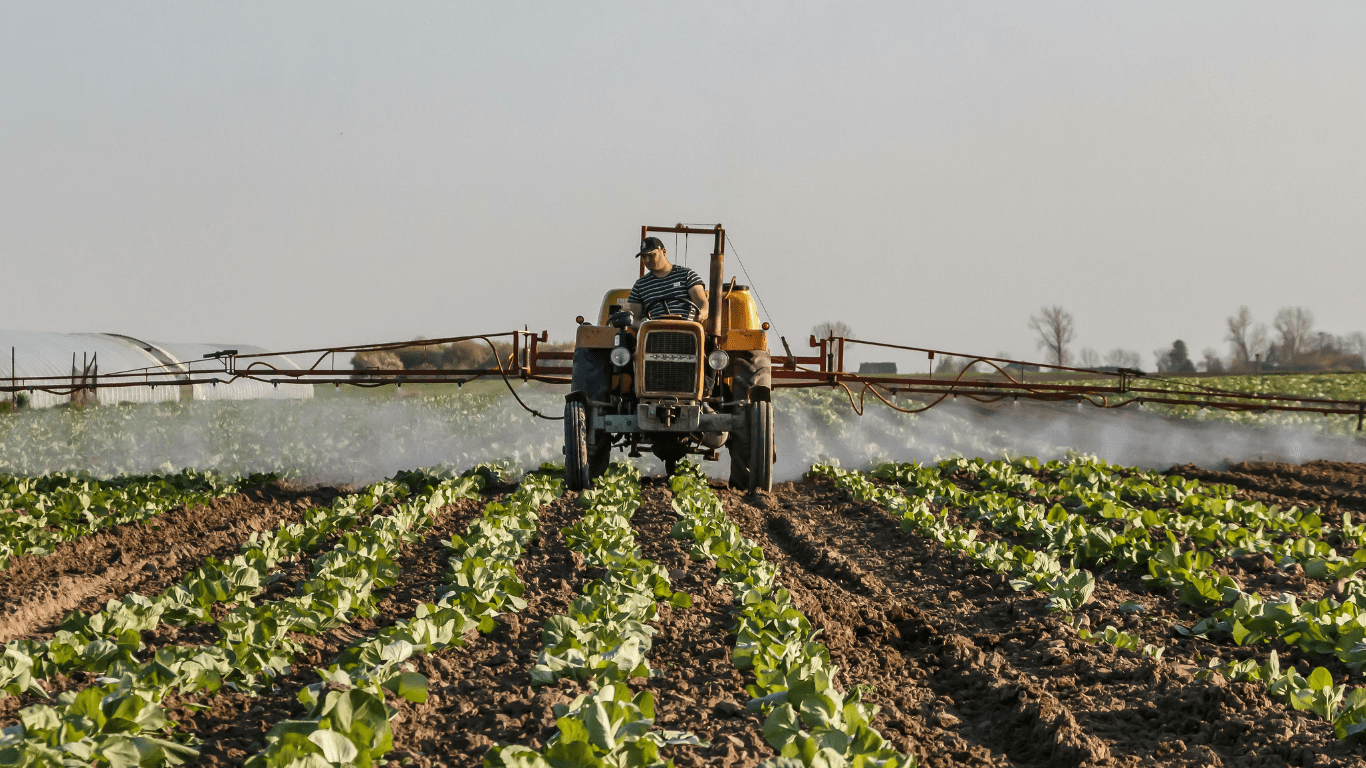
Liquid fertilizer supports crop health, yield consistency, and long term soil management. Transporting it safely requires precise handling and coordination to protect product quality and ensure reliable delivery to farms.
Transport decisions influence product stability, delivery timing, and site safety. Liquid trucking requires an understanding of tank dynamics, material compatibility, and route conditions. Tim Savage Trucking LLC works with agricultural and industrial partners who want practical insight into how liquid fertilizer transport affects operations across Utah and surrounding regions.
Start strengthening your liquid fertilizer hauling strategy by working with transport partners like Time Savage Trucking LLC, who understand how handling and planning affect every load.
Move Liquid Fertilizer Safely
Liquid fertilizer behaves differently from dry materials during transport. Movement inside a tank creates shifting forces that affect handling and braking. Temperature changes can influence viscosity and internal pressure. These factors place added importance on driver awareness and equipment selection.
Liquid trucking also raises concerns about product integrity. Contamination, residue buildup, and improper cleaning practices can affect fertilizer composition. Agricultural clients rely on transport methods that respect product purity and maintain consistency from load to load.
A Utah trucking company with experience in liquid fertilizer transport understands how agricultural cycles, regional weather, and rural access points shape delivery planning. That local awareness supports smoother coordination between suppliers, carriers, and growers.
Equipment Considerations That Influence Fertilizer Quality
Tank trailers serve as the foundation of liquid fertilizer transport. Trailer material, internal coatings, and compartment design all affect how fertilizer moves and remains stable during transit. Crews select equipment based on fertilizer type, volume, and delivery requirements.
Tank maintenance plays a direct role in product condition. Clean interiors reduce the risk of cross-product exposure. Valves, hoses, and seals require regular inspection to support controlled loading and unloading.
Important equipment factors include
- Tank material compatibility with fertilizer formulations
- Proper venting to manage pressure changes
- Secure fittings that reduce leakage risk
- Hose systems designed for controlled transfer
These elements work together to support safe handling and consistent product delivery.
Handling Practices That Support People and The Product
Liquid fertilizer transport involves close coordination during loading and unloading. Operators manage pumps, hoses, and connections while monitoring flow rates and tank levels. Clear communication between drivers and site personnel supports controlled transfers.
Spill prevention remains a shared responsibility. Crews follow established procedures for connecting hoses, opening valves, and monitoring flow. These practices protect workers on-site and help maintain clean work areas.
Liquid trucking crews also remain aware of personal safety considerations. Fertilizer products can pose risks if mishandled. Protective equipment and clear procedures support safer interactions throughout the transport process.
Route Planning and Timing Considerations
Delivery timing matters in agriculture. Growers plan application schedules around planting cycles, weather windows, and soil conditions. Transport delays can affect those plans and create operational challenges.
Route planning supports both product stability and driver safety. Smooth roads, gradual curves, and predictable traffic patterns reduce sudden movements inside the tank. Seasonal weather patterns in Utah also influence routing decisions, especially in rural areas.
Effective route planning accounts for:
- Road surface quality and grade changes
- Access points at farms and storage sites
- Seasonal traffic and construction zones
These considerations support steady transport and predictable deliveries.
Regulatory awareness in liquid fertilizer transport

Liquid fertilizer transport operates within a framework of state and federal regulations. Weight limits, permitting requirements, and safety standards guide how carriers move product across regions. Compliance supports orderly operations and reduces unexpected disruptions.
A Utah trucking company specializing in liquid fertilizer transport stays up to date on regulatory updates and regional requirements. That awareness helps align transport practices with industry expectations without interrupting delivery schedules.
Documentation also plays a role. Accurate load information, product identification, and delivery records support transparency between carriers and agricultural clients.
Reducing Errors and Delays Through Clear Coordination
Strong communication supports every stage of liquid fertilizer transport. Shippers, drivers, and receivers share information about product type, delivery timing, and site conditions. That information helps drivers prepare equipment and plan routes effectively.
Communication also supports problem prevention. Early notice of schedule changes or site access issues allows teams to adjust without creating unnecessary pressure on people or equipment.
Liquid trucking operations benefit when communication remains clear, consistent, and proactive throughout the transport cycle.
How Experienced Carriers Support Agricultural Operations
Agriculture depends on timing, coordination, and consistency. Liquid fertilizer transport supports those goals when carriers understand the broader context of farm operations. Experience with agricultural clients helps drivers anticipate site conditions and application schedules.
Tim Savage Trucking LLC works with customers who value practical knowledge and steady execution. Familiarity with liquid fertilizer transport allows teams to approach each load with awareness of how transport decisions affect downstream use.
That experience also supports adaptability. Agricultural operations change with weather, market conditions, and seasonal demands. Transport partners who understand those dynamics contribute to smoother collaboration.
Improving Liquid Fertilizer Transport Through Review and Refinement
Operations improve when teams review processes and identify opportunities for refinement. Liquid fertilizer transport benefits from periodic evaluation of equipment, procedures, and communication practices.
Common improvement areas include:
- Standardizing loading and unloading procedures
- Reviewing route efficiency and site access
- Coordinating delivery windows with application schedules
These efforts support operational clarity and better alignment between transport and agricultural needs.
The Role of Liquid Trucking in Long-Term Agricultural Success
Liquid fertilizer supports crop performance and soil management over time. Transport practices influence how effectively the product reaches its destination and performs its role. Attention to handling, equipment, and planning helps preserve product quality and supports the people who rely on it.
Liquid trucking serves as a link between production and application. That role deserves careful consideration and informed decision-making. Agricultural businesses benefit when transport partners understand the responsibility that comes with moving liquid fertilizer.
A Thoughtful Approach to Liquid Fertilizer Transport
Liquid fertilizer transport requires more than moving product from one point to another. Each load reflects coordination, equipment readiness, and respect for the agricultural process. When transport teams apply thoughtful practices, they support consistent outcomes for growers and suppliers alike.
Tim Savage Trucking LLC operates as a Utah trucking company that understands the demands of liquid trucking in agricultural environments. By focusing on preparation, communication, and operational awareness, liquid fertilizer transport can support both productivity and long-term agricultural success.
From routing considerations to load handling, transport choices matter. Connect with Tim Savage Trucking to explore how liquid fertilizer transport fits into your broader logistics strategy.
