
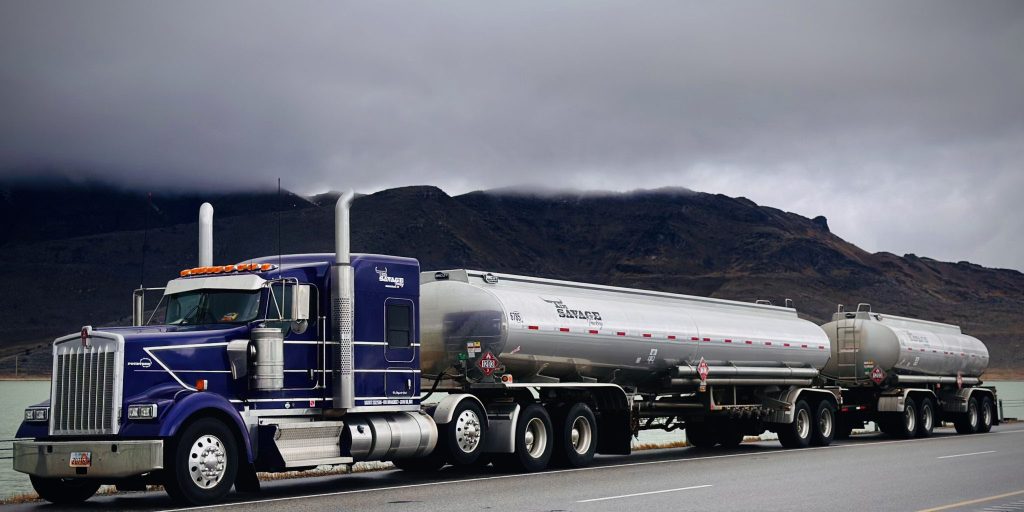
Cold weather can disrupt liquid trucking, putting cargo, equipment, and drivers at risk. Freezing temperatures and icy roads make schedules unpredictable and strain fleets.
Winter fleet preparation helps teams maintain liquid stability, operate safely, and keep deliveries on track. Organizations that address cold weather risks early benefit from improved operational consistency, reduced safety hazards, and better protection for liquid cargo.
Proactive planning ensures fleets can respond to sudden weather changes without compromising safety or efficiency.Start safeguarding your liquid transport operations by partnering with a team experienced in winter fleet preparation and Southwest liquid transport services.
Understanding the Effects of Cold Weather on Liquids
Temperature plays a critical role in liquid hauling. Certain liquids become thicker in cold conditions, which can affect pumping, loading, and unloading processes. Freezing or near-freezing temperatures can also increase pressure inside tanks, creating handling challenges and safety considerations.
Fleets that understand how temperature impacts different liquids reduce the risk of spillage, slowdowns, or equipment strain. Winter readiness ensures cargo maintains its integrity and that drivers can operate safely under challenging conditions.
Vehicle and Equipment Readiness for Winter Liquid Transport
Winter fleet preparation is essential to keep liquid trucking operations running smoothly. Equipment that is not winterized can compromise performance, increase downtime, and reduce driver confidence.
Key areas for winter readiness include:
- Tank inspections to ensure seals, valves, and pressure relief systems function properly
- Engine and battery checks to maintain consistent starting power in cold temperatures
- Tire and brake inspections to support traction on icy roads
- Heating systems for liquid tanks to maintain flowability
- Lighting, windshield wipers, and mirrors for optimal visibility
Fleets that systematically review equipment reduce the risk of breakdowns and support safer Southwest liquid transport services.
Route Planning and Weather Monitoring
Weather and route planning are central to winter liquid transport. Cold fronts, ice, and snow can develop rapidly across diverse terrain, from desert highways to mountainous corridors. Proactively monitoring conditions and planning routes allows fleets to navigate safely and avoid delays.
Considerations for winter route planning include:
- Checking forecasts for temperature drops and precipitation along routes
- Identifying high-risk areas such as shaded passes, bridges, and steep grades
- Establishing alternate routes in case of closures or hazardous conditions
- Timing departures to take advantage of daylight and safer road conditions
- Coordinating with dispatch to relay real-time updates to drivers
Effective planning ensures that drivers can adapt to changing conditions while protecting both cargo and equipment.
Load Management and Handling in Cold Weather
Proper handling of liquid cargo is critical during winter hauling operations. Cold temperatures can affect viscosity, making liquids thicker and harder to pump. Even minor freezing can increase pressure inside tanks and make securement more important.
Best practices for load management include:
- Balancing loads to maintain stability on slippery roads
- Using proper tank insulation or heating systems for temperature-sensitive liquids
- Verifying securement points and tie-downs to prevent shifting during travel
- Monitoring tank gauges to identify abnormal pressure or temperature changes
- Training drivers on adjustments needed when liquids behave differently in cold conditions
Fleets that integrate these steps improve both operational efficiency and cargo safety.
Driver Training and Awareness
Drivers are the frontline in cold-weather liquid trucking. Winter readiness for hauling services depends on the driver’s understanding of how cold weather impacts both equipment and cargo. Training and awareness programs help drivers respond effectively to challenges on the road.
Key driver considerations include:
- Adjusting speed and following distances for icy or snow-covered roads
- Recognizing signs of frozen or thickened liquids affecting pumping and unloading
- Using smooth steering, acceleration, and braking to maintain control
- Staying alert to black ice, frost, and other hidden hazards
- Communicating with dispatch when conditions change or delays occur
Driver awareness reduces risk and enhances the reliability of Southwest’s liquid transport services.
Emergency Preparedness in Cold Weather Hauls
Even with thorough preparation, emergencies can occur. Winter readiness includes equipping fleets and drivers with the tools to handle unexpected situations. Proper emergency planning helps reduce downtime and maintain safety.
Essential emergency measures include:
- Carrying winter survival kits with blankets, food, water, and first aid supplies
- Equipping trucks with ice scrapers, shovels, and tire chains
- Maintaining communication devices and charged backup batteries
- Training drivers on emergency protocols for breakdowns or road closures
- Coordinating with roadside assistance and dispatch in advance
Prepared fleets respond more efficiently to emergencies and reduce risks for both people and cargo.
Maintaining Liquid Flow During Cold Transport
Cold temperatures can affect the pumping and unloading of liquids. Frozen or overly viscous cargo can slow operations and delay delivery timelines. Planning for flow management ensures that liquids remain transportable throughout winter conditions.
Strategies for maintaining flow include:
- Using tank heating systems for temperature-sensitive liquids
- Monitoring viscosity levels during loading, transport, and unloading
- Scheduling deliveries during the warmest part of the day when possible
- Employing pumps rated for lower temperatures to maintain a consistent flow
- Regularly inspecting hoses, valves, and fittings to prevent freezing issues
Maintaining control over liquid flow improves efficiency and ensures safe handling during winter operations.
Continuous Review and Fleet Optimization
Winter fleet preparation is an ongoing process. Evaluating past operations helps teams refine practices and identify opportunities for improvement. Lessons learned from previous winters support safer, more efficient liquid trucking.
Steps for continuous improvement include:
- Reviewing winter performance and incidents to identify patterns
- Updating driver training programs based on real-world conditions
- Evaluating equipment readiness and replacing or repairing as needed
- Adjusting route strategies according to observed weather trends
- Maintaining an inventory of emergency and safety equipment for fleet-wide readiness
Ongoing review strengthens operational consistency and enhances the reliability of liquid trucking services in the Southwest.
Protect Your Fleet and Cargo This Winter
Cold weather significantly impacts liquid hauling operations, affecting drivers, equipment, and cargo. Winter fleet preparation addresses these challenges by ensuring vehicles are ready, drivers are trained, routes are monitored, and emergency plans are in place. Southwest liquid transport services benefit when fleets integrate planning, equipment readiness, and operational flexibility into daily practices.
Take control of your winter liquid trucking operations by partnering with Tim Savage Trucking LLC. Their expertise in liquid trucking, winter fleet preparation, and Southwest liquid transport services helps fleets navigate cold weather safely, maintain cargo integrity, and keep deliveries on schedule even under harsh conditions.
