
Booking the wrong trailer type is one of the most common and costly mistakes in freight shipping. A shipper who assumes a flatbed works for any heavy cargo, or that a bulk trailer handles any loose material, sets up a shipment that either cannot be completed as planned, arrives damaged, or costs more to fix than the original decision saved. The right trailer depends on what the freight physically is, how it loads, and how it needs to unload at the destination, not on what the carrier has available or what the shipper used last time.
Tim Savage Trucking operates flatbed, belt trailer, liquid, and bulk freight equipment throughout Utah, Arizona, Wyoming, California, and New Mexico. Here is how to match your load to the right equipment. Not sure which trailer type fits your freight? Contact Tim Savage Trucking or call today. Our team helps you identify the right equipment before the load moves.
Flatbed trailers: when the load cannot go in an enclosed box
What Flatbed Is For
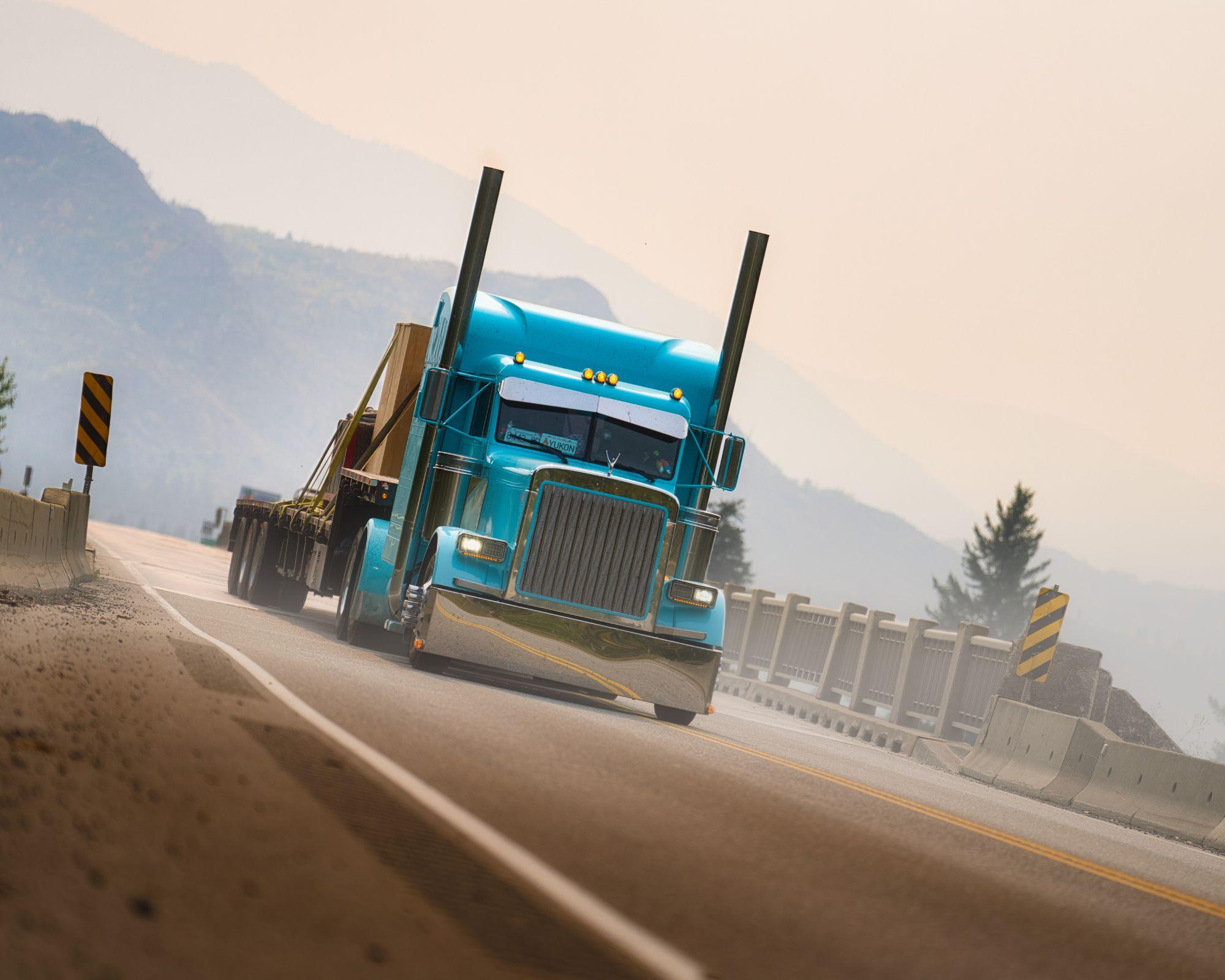
A flatbed trailer provides an open, flat loading surface with no sides or roof. Use it when:
- The freight is too large, tall, or wide for an enclosed trailer
- Loading requires a crane or forklift from the side or top
- Securing requires strapping across the full load in a way enclosed walls prevent
- The freight is oversized and may need a permit for Southwest highway transport
Common flatbed loads include construction materials, structural steel, large equipment, vehicles, lumber, and oversized manufactured products. See our flatbed trucking service for more on what we haul and where.
When flatbed is the wrong choice
Flatbed does not work for freight that cannot tolerate weather exposure, loose material that shifts on an open surface, liquid freight, or standard palletized product that fits in an enclosed trailer. Shippers who use flatbed for freight that could move more safely and cheaply in a box trailer pay a premium for equipment their load does not need.
Belt trailers: when controlled unloading matters more than speed
What belt trailer is for
A belt trailer uses a moving belt system on the trailer floor to control how material unloads, allowing precise placement rather than a full dump. Choose a belt trailer when:
- The delivery location requires material placement in a specific spot
- The material cannot withstand a standard rear dump
- The delivery site lacks clearance for a dump trailer to lift
Common belt trailer loads include aggregate, sand, soil, grain, and certain agricultural inputs. Tim Savage Trucking’s belt trailer hauling service covers construction, agricultural, and industrial customers throughout Utah and Arizona.
When a belt trailer is the wrong choice
Belt trailers are not for liquid freight, oversized individual items that require forklift unloading, or palletized freight. The belt system serves loose bulk materials where controlled discharge provides a specific advantage over other trailer types.
Liquid tankers: when the freight flows
What liquid hauling is for
Liquid freight, including petroleum products, chemical solutions, water, and food-grade liquids, requires a sealed tanker designed for containment and controlled transfer. The right tanker also depends on the specific product, since different liquids require different tank materials, linings, and pressure ratings. Tim Savage Trucking’s liquid hauling service matches equipment to the product on every load. For petroleum specifically, see our petroleum hauling page.
When liquid hauling is the wrong choice
Liquid tankers do not work for solid freight, palletized product, or dry bulk materials. Always confirm product compatibility with the tank specification before booking. Mismatches cause product contamination, equipment damage, and compliance exposure.
Bulk freight trailers: when volume and weight drive the decision
What bulk hauling is for
Bulk freight covers large-volume, heavy-weight loads of loose material that ship by weight or volume, not by individual unit. Grain, aggregate, sand, gravel, and fertilizer are the standard categories. Tim Savage Trucking’s bulk freight hauling service handles agricultural, construction, and industrial bulk materials throughout the Southwest.
Bulk vs. belt trailer: how to decide
For loose material freight, the unloading requirement at the delivery point determines the right choice. If the material can dump and the location has clearance for rear or side dumping, a standard bulk dump trailer is more efficient. If the delivery requires controlled placement or the site limits clearance, a belt trailer is the right equipment. Describe the delivery site to the carrier and let the equipment selection follow from the actual unloading need.
Have a load and not sure which trailer fits? Tim Savage Trucking operates flatbed, belt trailer, liquid, and bulk equipment throughout the Southwest. Contact us or call today for a free estimate and equipment recommendation.
The right trailer makes the difference between a smooth shipment and an expensive problem
Tim Savage Trucking has matched the right trailer to the right load for shippers in Utah, Arizona, Wyoming, California, and New Mexico since 2012. If you are not sure which trailer your freight needs, our team identifies the right equipment and provides a free estimate before anything moves. Request an estimate or call today.
